Understanding the Gas Safety Check Scotland: What Glasgow Homeowners and Landlords Need to Know
If you own a home in Glasgow or let a property in the city, staying on top of gas safety is one of those responsibilities that can feel like a box-ticking chore. But last winter I saw what happens when a landlord lets an annual gas safety check slip: a tenant ended up in A&E with carbon monoxide poisoning, and the landlord faced a hefty fine from the Health and Safety Executive. That experience reshaped how I talk about gas safety with clients. It is not just about compliance. It is about keeping people alive.
In Scotland, the rules around domestic gas safety are clear, but they are not always well understood. Whether you are a homeowner who wants to make sure your boiler service is up to date, or a landlord who needs to issue a Landlord Gas Safety Record before a new tenancy starts, knowing the ins and outs of a gas safety check Scotland can save you stress, money, and legal trouble. Let me walk you through what you actually need to know, drawing on years of hands-on work with Glasgow tradespeople.
What a Gas Safety Check Actually Involves
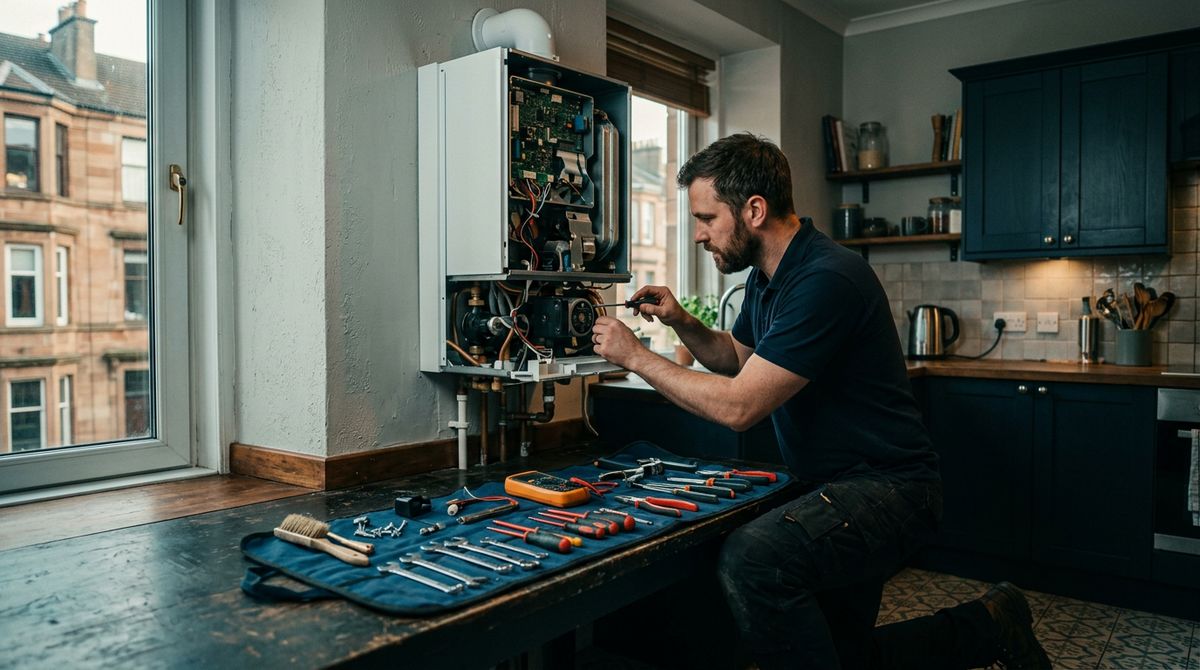
A proper gas safety inspection covers more than just lighting a few burners and walking away. A Gas Safe engineer will examine every gas appliance in the property, from the boiler and cooker to any gas fires or space heaters. They check for safe operation, adequate ventilation, and proper gas pressure. They also inspect the visible pipework, looking for corrosion, leaks, or unauthorised modifications. A carbon monoxide detector test is standard, and the engineer will confirm that emergency gas shut-off valves are accessible and functional.
One thing I always tell landlords: a gas safety check Scotland is not the same as a boiler service. A service focuses on the boiler's efficiency and condition, while the safety check is a broader assessment of all gas appliances and installations. Both are important, but only the safety check satisfies the legal requirement for a CP12 certificate, which is the official gas safety certificate issued after a compliant inspection.
Who Needs a Gas Safety Check and How Often
For homeowners, there is no legal obligation to have an annual gas safety check, but it is strongly recommended. Insurance policies sometimes require it, and a valid gas safety certificate can make selling your home much smoother. For landlords, the law is unambiguous: you must arrange an annual gas safety check for every property you rent out, and you must provide a copy of the Landlord Gas Safety Record to your tenant before they move in and within 28 days of each subsequent check.
I have seen too many Glasgow landlords assume that a new boiler or a recent service covers them. It does not. The requirement is for a specific inspection carried out by a Gas Safe registered engineer, and the record must include the engineer's details, the appliances checked, and any defects found. If you fail to comply, you could face prosecution, invalidate your insurance, and put your tenants at risk.
How to Verify a Qualified Gas Engineer
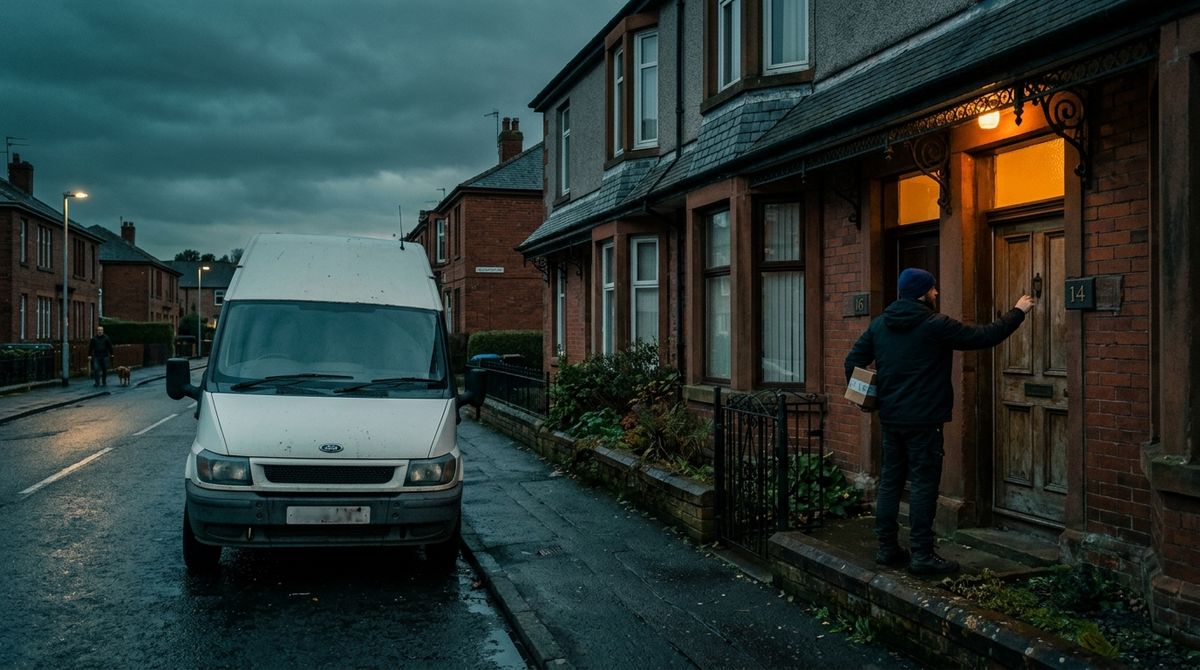
Finding someone trustworthy is the hardest part. The Gas Safe Register is the official list of qualified gas engineers in the United Kingdom, and it is the only body you should rely on. Before you book any work, ask to see the engineer's Gas Safe ID card. Check the front for their photograph and registration number, and look at the back to confirm which types of gas work they are qualified to do. Not every Gas Safe engineer can work on every appliance. Some are limited to cookers or gas fires, while others hold full domestic gas safety qualifications.
I always tell clients to look for the Gas Safe logo on the engineer's van or paperwork. It is a simple check that can save you a lot of trouble. If someone claims to be qualified but cannot show you a valid card, do not let them touch your gas supply. Unregistered work is not just illegal; it is dangerous. A friend of mine in the Southside hired a handyman to fit a new gas hob without checking his credentials. The hob leaked gas for weeks before a neighbour noticed the smell. That kind of gas leak detection failure could have ended far worse.
Costs and Practicalities for Glasgow Homeowners and Landlords
The price of a gas safety check Scotland varies depending on the number of appliances and the property's location. In Glasgow, you can expect to pay between sixty and one hundred and twenty pounds for a standard flat with a boiler and a cooker. If you have multiple gas appliances, the cost will rise. Some tradespeople offer discounts if you combine the safety check with a boiler service or gas appliance maintenance. It is worth asking, but never cut corners on the quality of the inspection.
Landlords should budget for this as a recurring annual cost. I advise my clients to schedule the check a month before it is due, because finding a Gas Safe engineer at short notice in winter can be difficult. If the engineer finds a defect, you will need time to arrange repairs and a re-inspection before the certificate expires. Leaving it to the last minute is a recipe for stress and potential non-compliance.
Common Issues Found During Inspections
Over the years, I have seen the same problems crop up again and again. The most frequent issue is poor ventilation. Appliances need enough air to burn gas safely, and blocked vents or sealed windows can cause incomplete combustion, which produces carbon monoxide. Another common problem is ageing pipework. Gas pipe inspection often reveals corrosion or joints that have loosened over time. Even a small leak can build into a serious risk.
Tenant safety is the whole point of the legislation. A carbon monoxide detector is a cheap backup, but it is not a substitute for a proper annual gas safety check. I have been in properties where the detector had a dead battery or was placed too close to a window. The engineer will flag these issues, but it is your responsibility as the property owner to fix them.
Gas Safety Legislation in Scotland
The rules are set out in the Gas Safety (Installation and Use) Regulations 1998, which apply across the UK, but Scottish landlords also need to be aware of the Repairing Standard and the Housing (Scotland) Act. The Scottish Government takes property compliance seriously, and local authorities in Glasgow carry out routine inspections. If you are found to be renting a property without a valid gas safety certificate, you can be fined up to six thousand pounds or even imprisoned. The reputational damage is harder to measure, but it can destroy your letting business.
One nuance that catches many landlords: the gas safety check must be carried out by a Gas Safe registered engineer who is competent for the specific type of gas work. A general handyman with a gas qualification from twenty years ago is not acceptable. The engineer must have current registration and the correct scope of work on their card. I always recommend checking the Gas Safe Register online before the visit, because it only takes a few seconds and can confirm that the engineer's registration is active.
Practical Tips for a Smooth Inspection
Before the engineer arrives, make sure all gas appliances are accessible. Clear any clutter from around the boiler, cooker, and gas fire. If you have pets, secure them in another room, because gas engineers need to move freely and may use equipment that could startle an animal. Tell your tenants in advance, so they know not to leave pots on the hob or block the emergency gas shut-off valve.
After the inspection, the engineer will give you a copy of the gas safety certificate. Keep it in a safe place. Landlords need to retain copies for at least two years, and homeowners should keep them for their own records. If you ever need to prove that a gas safety check was carried out, having the CP12 certificate or Landlord Gas Safety Record is essential.
Gas safety is not a subject that should cause panic, but it does deserve respect. A gas safety check Scotland is a straightforward process when you work with the right people. Find a qualified Gas Safe engineer, schedule your annual gas safety check on time, and make sure every gas appliance in your property is safe for use. That is the difference between a responsible owner and someone who is gambling with lives.